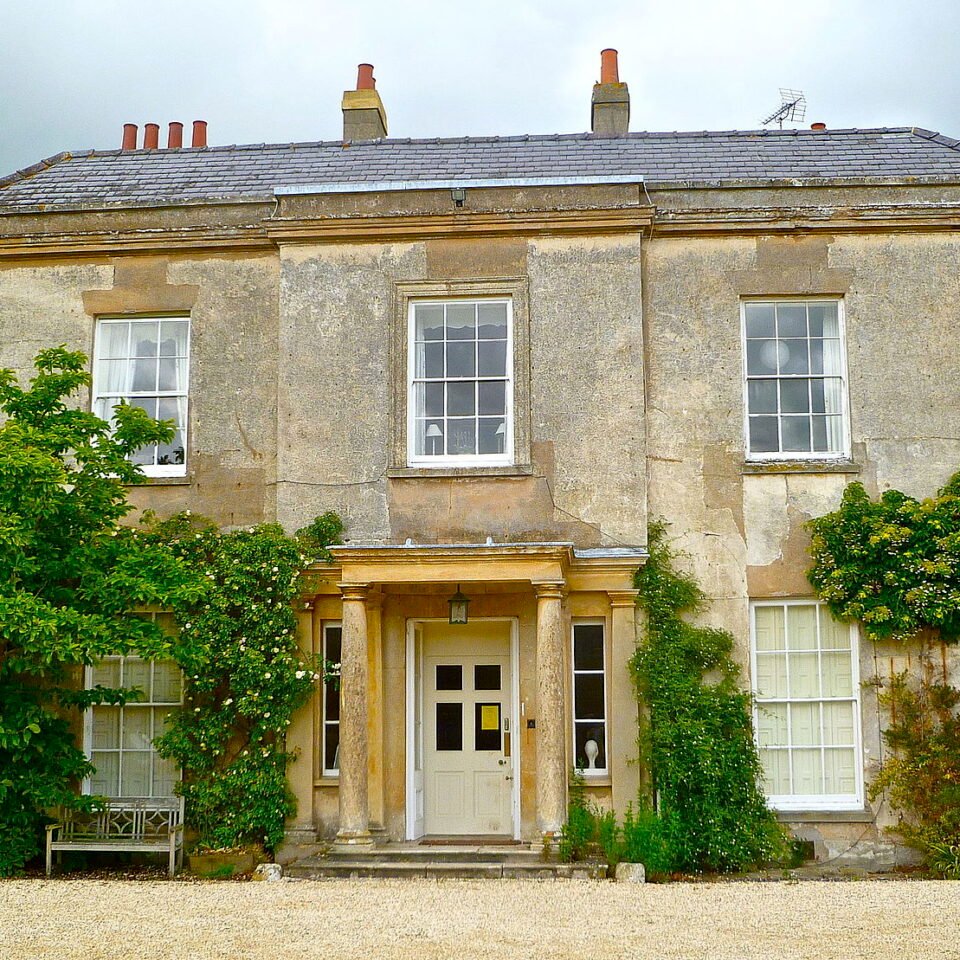



Location: Adwell, Oxfordshire
Places / associated places: Adwell, Oxfordshire
Listed in Domesday Book: Yes
Location & Extent
GPS Location & Recorded Land Areas
Representative GPS point: 51.6912, -0.99334
Identity: confirmed — The supplied registry record is securely identified with the historic manor of Adwell in Adwell, Oxfordshire. The surviving Adwell House is explicitly identified as the manor house, and medieval evidence records Adwell as a manor held of the Honour of Wallingford. The location, ownership history, associated places and TNA/MDR reference are consistent with this single manor.
Representative point: 51.69120, -0.99334
Basis: documented_manor_house — Adwell House, the surviving manor house and historic seat of Adwell Manor, at Historic England National Grid Reference SU 69677 99636.
Point confidence: high
Boundary status: representative_point_only
Boundary period: Medieval manor with documented estate evidence in the 18th and 19th centuries
Boundary confidence: none
Boundary basis: The available evidence establishes the manor house and indicates that the manor comprised the principal historic estate of Adwell, including demesne, mill and agricultural land, with some Adwell Manor holdings in the Postcombe area. Medieval inquisitions record the manor but do not provide a perimeter. The surviving local historical summary describes parish boundaries, detached Adwell Manor holdings at Postcombe, and later farm acreages, but does not supply a sufficiently precise manor-boundary map or parcel schedule. A parish boundary or modern estate boundary would therefore be an unsafe substitute for the historical manorial extent.
Sources:
- Adwell House, Adwell - National Heritage List for England entry 1059699: https://historicengland.org.uk/listing/the-list/list-entry/1059699 — Identifies Adwell House as a Grade II* historic house in Adwell parish and gives National Grid Reference SU 69677 99636; the description cites the Victoria County History and identifies the early eighteenth-century manor house.
- The National Archives: Adwell Manor record F285599: https://discovery.nationalarchives.gov.uk/details/c/F285599 — Registry record supplied for Adwell Manor, including its medieval descent, relationship to the Honours of Wallingford and Ewelme, and identification of Adwell House as the surviving manor house.
- Mapping the Medieval Countryside: Robert James, Inquisition 638: https://inquisitionspostmortem.ac.uk/view/inquisition/23-638/640.html — The 1432 inquisition records Adwell as a manor held in demesne of fee, of Katherine, queen of England, as of her Honour of Wallingford, but gives no boundary description.
- Adwell Parish – Aston Rowant & Chilterns Spring Line Villages: https://astonrowant.wordpress.com/adwell-parish/ — Provides historical geographic context: Adwell's ancient parish area, historic boundary features, the existence of Adwell Manor holdings in Postcombe, and the detached Adwell Farm portion. It does not establish a complete manor perimeter.
- Agrarian & Social History – Aston Rowant & Chilterns Spring Line Villages: https://astonrowant.wordpress.com/agrarian-social-history/ — Records the medieval settlement beside the spring, church, manor-house and mill; Domesday assessment of the Adwell estate at 3 hides; and later estate/farm acreages, supporting the identification of the manorial centre but not a precise historical polygon.
Warnings / uncertainty:
- No reliable source located in the available evidence supplies a complete, georeferenced boundary for the historical manorial land.
- The historic parish boundary and the later Adwell estate should not be treated as identical to the medieval or early-modern manor without a manor map, rental plan or parcel-level reconstruction.
- The representative point is suitable for locating the manor house and manorial centre; no boundary polygon should be injected.
About the Manor
Adwell Manor was the principal manor of Adwell parish, a small parish south of Thame in Oxfordshire. Before the Norman Conquest it was held freely by Wulfstan. By 1086 it had passed to Miles Crispin, the Norman baron and castellan of Wallingford, and formed part of the Honour of Wallingford; after that honour escheated to the Crown in 1300, Adwell was associated with the Honour of Ewelme. The manor was historically held as a lay fee and was distinct from the superior lordship or overlordship represented by the honour. Adwell House is the surviving manor house. The earlier house was remodelled for William Newell about 1700 and substantially altered or rebuilt in the late eighteenth century. The present house is a listed early eighteenth-century or late eighteenth-century manor house with later alterations.
Ownership / Holder Account
The medieval manor descended through the de Sulham family and their successors, including Richard de la Hyde and Hugh de St Philibert, before being divided among the co-heirs of Edmund Bereford in the mid-fourteenth century. It was subsequently consolidated through John Motte and John James of Wallingford, and then descended through the James and Rede families. In 1440 Edmund Rede and Agnes Rede conveyed Adwell to Richard Marmion, after which the manor remained with the Marmion family for roughly 150 years. John Marmion sold Adwell to Nicholas Betham in the sixteenth century, although John retained a lease of the mansion house, water-mill, and demesne lands. Christopher Betham and his wife sold the manor and advowson in 1580-1581 to John Franklin, who already held a lease. The manor then descended through the Franklin family. Dame Elizabeth Franklin, widow of Sir John Franklin, sold it in 1658 to Henry Franklin. After Henry's death in 1663, the manor was held in shares by his three daughters; Anne Franklin and Mary Carter sold their two-thirds share to the Newell family in 1680, while Frances Franklin was the wife of William Newell. The Newells thereafter held the consolidated manor. It passed by William Newell's will to his son, the Reverend William Newell, and subsequently to Esther Newell for life and then to Elizabeth Newell, later the wife of James Jones. Elizabeth Jones's will directed that the estate should pass to Frances Webb and then to a person who assumed the name Newell. Frances Webb accordingly left Adwell to her kinsman John William Birch, who became John William Newell-Birch. In 1867 the manor passed to his nephew Henry Birch-Reynardson, and it subsequently descended to William John Birch-Reynardson, Henry Thomas Birch-Reynardson, William Robert Ashley Birch-Reynardson, and, after 1997, Thomas Henry Birch-Reynardson. Some medieval transitions are recorded as settlements, remainders, shared holdings, or transfers to feoffees rather than as straightforward outright sales; those distinctions are retained below.
Manorial Rights & Privileges
Historic manorial rights / privileges (2)
Free warren in Adwell
Provisional
John de Sulham received a grant of free warren in Adwell in 1277; John de St Philibert received free warren there in 1317.
Advowson of Adwell
Provisional
The advowson was held with or conveyed alongside the manor in several recorded transactions, including the 1349 transfer to Edmund Bereford and the 1580/1581 sale to John Franklin.
Records & References
Sources and references mentioning this manor/title which are not necessarily conveyances or transfers.
7 records found · showing 1–7.
1822-1847: court book (Ewelme Honour, Stokenchurch Division)
Held by: Oxfordshire History Centre
Further information: NRA 41922 Ewelme Honour
1790-1847: minutes and papers (Ewelme Honour, Stokenchurch Division)
Held by: Oxfordshire History Centre
Further information: NRA 41922 Ewelme Honour
1726-1726: rental, with other manors
Held by: Oxfordshire History Centre
Further information: NRA 35349 Powys-Lybbe
1537-1540: estreats, with other manors
Held by: The National Archives
1535-1547: court rolls, with other manors
Held by: The National Archives
1525-1527: court rolls, with other manors
Held by: The National Archives
1431-1441: court rolls, with other manors
Held by: The National Archives
Conveyance & Descent
First holder to present holder: blood proximity & distance travelled
First recorded holder: Wulfstan
Present holder:
Recorded title journey: 46 holder entries in this manor's saved Conveyance & Descent history.
No recorded holder currently has a usable saved direct-blood or collateral-blood relationship path from which to calculate proximity percentages.
First recorded holder → present holder
A usable saved blood relationship path between the first recorded holder and the present holder has not yet been recorded, so that first-to-present genealogical distance cannot be calculated.
Transfer: Held Adwell freely before the Norman Conquest; by 1086 the manor had passed to Miles Crispin. The identification of Wulfstan with the holder of neighbouring Aston and Britwell Salome is reported as probable rather than certain.
This is the earliest reported holder of Adwell Manor. The evidence is Domesday-based for the pre-Conquest holder, although the identification of the individual Wulfstan is not completely certain.
Source: Victoria County History, Oxfordshire, volume VIII (1964), pp. 7-10, as reproduced in the Adwell parish history; Domesday-related summary for Adwell. — source link
Transfer: Adwell was held by Miles Crispin by the time of the Domesday survey. It consequently formed part of the Honour of Wallingford.
Shared holding: Honour of Wallingford
Previous holder: Wulfstan
Miles Crispin was the Norman baron and castellan of Wallingford. The superior relationship to the Honour of Wallingford should not be confused with the later mesne or tenant holding of Adwell by the de Sulham family.
Source: Victoria County History, Oxfordshire, volume VIII (1964), pp. 7-10, as reproduced in the Adwell parish history; Domesday-related account of Adwell. — source link
Transfer: The de Sulham family held Adwell as tenants of the Honour of Wallingford. William is identified with William de Sulham, lord of Sulham and other Berkshire and Buckinghamshire manors, who gave tithes to Abingdon Abbey in 1104. He was succeeded by Aumary, probably his son or son-in-law.
Shared holding: de Sulham family
Co-holders: Aumary de Sulham, Ralph de Sulham, Aumary II de Sulham, Robert Fitz Aumary de Sulham, Aumary III Fitz Robert de Sulham, John de Sulham
Previous holder: Miles Crispin, Norman baron, castellan of Wallingford
This is a tenant holding under the Honour of Wallingford, not an independent allodial or superior lordship. The identification of the William recorded at Adwell with William de Sulham is made by the local historical account and VCH-based narrative.
Source: Victoria County History, Oxfordshire, volume VIII (1964), pp. 7-10, as reproduced in the Adwell parish history. — source link
Transfer: Succeeded William de Sulham in the de Sulham holding. Aumary's possessions were divided between his sons Ralph and Robert; the elder son Ralph received the four fees including Adwell.
Shared holding: de Sulham family
Co-holders: William de Sulham, Ralph de Sulham, Aumary II de Sulham, Robert Fitz Aumary de Sulham, Aumary III Fitz Robert de Sulham, John de Sulham
Previous holder: William de Sulham
Aumary is described as the successor of William and as having divided his possessions between his two sons. The precise date of succession is not stated.
Source: Victoria County History, Oxfordshire, volume VIII (1964), pp. 7-10, as reproduced in the Adwell parish history. — source link
Transfer: Received the four fees including Adwell from his father Aumary de Sulham.
Shared holding: de Sulham family
Co-holders: William de Sulham, Aumary de Sulham, Aumary II de Sulham, Robert Fitz Aumary de Sulham, Aumary III Fitz Robert de Sulham, John de Sulham
Previous holder: Aumary de Sulham
Ralph received the branch of the de Sulham inheritance that included Adwell and Sulham.
Source: Victoria County History, Oxfordshire, volume VIII (1964), pp. 7-10, as reproduced in the Adwell parish history. — source link
Transfer: Succeeded Ralph de Sulham in the four fees including Adwell. After Aumary's death, the Crown took custody during the minority of his heir; Thomas Basset acted as guardian in 1189 and 1190.
Shared holding: de Sulham family
Co-holders: William de Sulham, Aumary de Sulham, Ralph de Sulham, Robert Fitz Aumary de Sulham, Aumary III Fitz Robert de Sulham, John de Sulham
Previous holder: Ralph de Sulham
The possible tenants Geoffrey of Adwell and William of Adwell, fined in 1176 and 1177, are not entered as manor holders because the evidence describes them as possible tenants rather than lords of Adwell Manor.
Source: Victoria County History, Oxfordshire, volume VIII (1964), pp. 7-10, as reproduced in the Adwell parish history. — source link
Transfer: Succeeded Aumary II de Sulham, apparently while under royal custody during his minority. Robert died before 1211 and was succeeded by his son Aumary III.
Shared holding: de Sulham family
Co-holders: William de Sulham, Aumary de Sulham, Ralph de Sulham, Aumary II de Sulham, Aumary III Fitz Robert de Sulham, John de Sulham
Previous holder: Aumary II de Sulham, of Sulham
The precise date at which Robert obtained full possession is not stated; the account records royal custody after his father's death and Thomas Basset's guardianship in 1189 and 1190.
Source: Victoria County History, Oxfordshire, volume VIII (1964), pp. 7-10, as reproduced in the Adwell parish history. — source link
Aumary III Fitz Robert de Sulham, of Sulham
Transfer: Succeeded his father Robert Fitz Aumary. By 1236 he was described as mentally incapable of making gifts or sales of his lands, and the sheriff was ordered to protect the inheritance.
Shared holding: de Sulham family
Co-holders: William de Sulham, Aumary de Sulham, Ralph de Sulham, Aumary II de Sulham, Robert Fitz Aumary de Sulham, John de Sulham
Previous holder: Robert Fitz Aumary de Sulham
The account identifies Aumary as Robert's son and successor. The date by which he ceased to hold is not given exactly; William de Sulham was probably in possession by 1241/2.
Source: Victoria County History, Oxfordshire, volume VIII (1964), pp. 7-10, as reproduced in the Adwell parish history. — source link
Transfer: Probably succeeded Aumary III Fitz Robert. He was dead by 1250; in 1255 Adwell was in the custody of Richard, Earl of Cornwall, as guardian of William's heir.
Shared holding: de Sulham family
Co-holders: Aumary de Sulham, Ralph de Sulham, Aumary II de Sulham, Robert Fitz Aumary de Sulham, Aumary III Fitz Robert de Sulham, John de Sulham
Previous holder: Aumary III Fitz Robert de Sulham, of Sulham
The succession is described as probable. The 1255 custody was exercised by the overlord or guardian and is not treated as an outright transfer to Richard, Earl of Cornwall.
Source: Victoria County History, Oxfordshire, volume VIII (1964), pp. 7-10, as reproduced in the Adwell parish history. — source link
Transfer: Inherited Adwell as William de Sulham's heir. He came of age in 1269 and received a grant of free warren in Adwell in 1277. By 1279 the four fees had been divided between Richard de la Hyde and Hugh de St Philibert, described as John's heir.
Shared holding: de Sulham family
Co-holders: William de Sulham, Aumary de Sulham, Ralph de Sulham, Aumary II de Sulham, Robert Fitz Aumary de Sulham, Aumary III Fitz Robert de Sulham
Previous holder: William de Sulham
The source records Adwell in the custody of Richard, Earl of Cornwall, in 1255 while John was a minor. That custody is not entered as a permanent conveyance to the earl.
Source: Victoria County History, Oxfordshire, volume VIII (1964), pp. 7-10, as reproduced in the Adwell parish history. — source link
Transfer: Held one half of the four fees at Adwell in right of his wife Philippa, probably a daughter of John and Joan de Sulham.
Holding arrangement: Share — one half of the manor or four fees
Shared holding: de la Hyde family
Previous holder: John de Sulham
Richard's holding was by marital right and represented one of the two divisions of the former de Sulham interest. The source expressly identifies the holding as being in right of his wife.
Source: Victoria County History, Oxfordshire, volume VIII (1964), pp. 7-10, as reproduced in the Adwell parish history. — source link
Transfer: Held the other half of the four fees at Adwell. His claim is traced through his mother Euphemia, who held Sulham as her inheritance and was probably descended from John de Sulham.
Holding arrangement: Share — one half of the manor or four fees
Shared holding: de St Philibert family
Co-holder: John de St Philibert
Previous holder: John de Sulham
The holding was a hereditary share or successor interest, distinct from Richard de la Hyde's half. The manor remained divided between the two families in 1300.
Source: Victoria County History, Oxfordshire, volume VIII (1964), pp. 7-10, as reproduced in the Adwell parish history. — source link
John de St Philibert, knight, later knighted, mayor of Bordeaux
Transfer: Succeeded his father Hugh III de St Philibert as holder of the St Philibert half of Adwell. He came of age in 1314 and received free warren at Adwell in 1317.
Holding arrangement: Share — one half of the manor or four fees
Shared holding: de St Philibert family
Co-holder: Hugh III de St Philibert
Previous holder: Hugh III de St Philibert
John held the St Philibert share until his death in 1333, when his child John became heir.
Source: Victoria County History, Oxfordshire, volume VIII (1964), pp. 7-10, as reproduced in the Adwell parish history. — source link
John de St Philibert, knight, later knighted, mayor of Bordeaux
Transfer: Inherited the St Philibert half as a child and received seisin of Adwell in 1348. Before his death he apparently sold Adwell, together with the advowson, to Edmund Bereford, clerk, in 1349.
Holding arrangement: Share — one half of the manor or four fees
Shared holding: de St Philibert family
Co-holder: Hugh III de St Philibert
Previous holder: John de St Philibert, knight, later knighted, mayor of Bordeaux
The source says that John apparently sold Adwell in 1349; because the transaction is described as apparent rather than fully documented in the available account, the date and transfer are retained with that qualification.
Source: Victoria County History, Oxfordshire, volume VIII (1964), pp. 7-10, as reproduced in the Adwell parish history. — source link
Transfer: Apparently acquired Adwell and its advowson from John de St Philibert in 1349. On Edmund's death in 1354, his three sisters Joan, Margaret, and Agnes were co-heirs to the family estates.
Shared holding: Bereford family
Previous holder: John de St Philibert, knight, later knighted, mayor of Bordeaux
The source identifies Edmund as the purchaser or recipient of Adwell from John de St Philibert, but the available narrative does not provide the precise instrument or terms of the 1349 transaction.
Source: Victoria County History, Oxfordshire, volume VIII (1964), pp. 7-10, as reproduced in the Adwell parish history; supporting discussion of Edmund Bereford's co-heirs. — source link
Joan de Elsfield, Margaret de Audley, and Agnes de Mautravers, co-heirs of Edmund Bereford
Transfer: Inherited Adwell as three co-heirs of Edmund Bereford. The manor appears to have been divided equally among them; the Mautravers interest is documented as one third in 1358. By 1359 all three sisters had granted their portions to feoffees.
Holding arrangement: Share — one third each, subject to the qualification that the surviving evidence explicitly documents the Mautravers one-third
Shared holding: Bereford co-heirs
Previous holder: Edmund Bereford, clerk, lord of Rush Court Manor in Clapcot
These were co-heirs and shared holders rather than a single sole holder. The source names Joan as the wife of Sir Gilbert de Elsfield, Margaret as the wife of Sir James de Audley, and Agnes as the wife of Sir John Mautravers.
Source: Victoria County History, Oxfordshire, volume VIII (1964), pp. 7-10, as reproduced in the Adwell parish history; corroborating discussion of the Bereford co-heirs. — source link
Transfer: The three Bereford co-heirs granted their portions of Adwell to feoffees, after which the manor was conveyed to John Motte. He was probably acting for John James of Wallingford.
Holding arrangement: Trust — whole manor held through feoffees or conveyance arrangement
Shared holding: feoffees for John James of Wallingford
Previous holder: Joan de Elsfield, Margaret de Audley, and Agnes de Mautravers, co-heirs of Edmund Bereford
John Motte may have been an intermediary or feoffee rather than the beneficial owner. The source states that he was probably acting, as was his custom, for John James of Wallingford; the next secure evidence is James's presentation to the church in 1372.
Source: Victoria County History, Oxfordshire, volume VIII (1964), pp. 7-10, as reproduced in the Adwell parish history. — source link
John James of Wallingford, burgess for Wallingford, possible steward to Joan, Princess of Wales
Transfer: The first definite evidence of John James's connection with Adwell is his presentation to the church in 1372. In 1378 he settled Adwell and other lands on himself, his wife Christine, and his son Robert. He died in 1396; in the same year Christine and Robert took possession.
Shared holding: James family
Co-holder: Christine James and Robert James
Previous holder: John Motte
The 1378 settlement created interests for John, Christine, and Robert. John James is treated as the principal holder, while the settlement parties are recorded in the holding parties field.
Source: Victoria County History, Oxfordshire, volume VIII (1964), pp. 7-10, as reproduced in the Adwell parish history. — source link
Christine James and Robert James, of Wallingford
Transfer: Took possession of Adwell after the death of John James. In 1397 Robert settled his own half on his wife Katherine and the reversion of the other half, after Christine's death, on Katherine.
Holding arrangement: Joint — whole manor pending the 1397 settlement; Robert's beneficial interest included one half and a reversionary interest in the other half
Shared holding: James family
Co-holder: John James of Wallingford
Previous holder: John James of Wallingford, burgess for Wallingford, possible steward to Joan, Princess of Wales
The holding involved possession by Christine and Robert followed by a formal settlement dividing present and reversionary interests. It should not be reduced to a simple outright inheritance by Robert alone.
Source: Victoria County History, Oxfordshire, volume VIII (1964), pp. 7-10, as reproduced in the Adwell parish history. — source link
Transfer: A 1429 settlement placed Adwell on Robert James's daughter Christine and her husband Edmund Rede and their heirs. Robert James died in 1432; Edmund Rede had died in 1430, and Christine obtained sole possession. On her death in 1435, her son Edmund succeeded.
Shared holding: Rede family
Co-holder: Edmund Rede
Previous holder: Robert James
The 1429 settlement is a direct conveyance by settlement rather than an unqualified inheritance. The associated inquisitio post mortem for Robert James records Adwell as a manor held in demesne as of fee and names Christine as his daughter and next heir.
Source: Inquisition post mortem of Robert James, 1432, TNA reference C 139/54/23 mm.1-2; Victoria County History, Oxfordshire, volume VIII (1964), pp. 7-10. — source link
Transfer: Succeeded his mother Christine Rede in 1435. In 1440 Edmund Rede and Agnes Rede parted with Adwell to Richard Marmion.
Shared holding: Rede family
Co-holder: Christine James, wife of Edmund Rede
Previous holder: Christine James, wife of Edmund Rede
The source identifies Edmund as Christine's son and successor and records his 1440 conveyance to Richard Marmion. Agnes Rede is included as a co-conveyor because the source names both Edmund and Agnes in the transfer.
Source: Victoria County History, Oxfordshire, volume VIII (1964), pp. 7-10, as reproduced in the Adwell parish history. — source link
Transfer: Acquired Adwell from Edmund and Agnes Rede in 1440. The manor remained with the Marmion family thereafter.
Shared holding: Marmion family
Co-holders: John Marmion, William Marmion, Anthony Marmion
Previous holder: Edmund Rede and Agnes Rede
This is the beginning of the approximately 150-year Marmion tenure recorded by the VCH-based account.
Source: Victoria County History, Oxfordshire, volume VIII (1964), pp. 7-10, as reproduced in the Adwell parish history. — source link
Transfer: Succeeded Richard Marmion in the Marmion holding of Adwell.
Shared holding: Marmion family
Co-holders: Richard Marmion, William Marmion, Anthony Marmion
Previous holder: Richard Marmion, of Checkendon
John Marmion is recorded as having succeeded by 1466 and as still alive in 1478.
Source: Victoria County History, Oxfordshire, volume VIII (1964), pp. 7-10, as reproduced in the Adwell parish history. — source link
Transfer: Succeeded John Marmion in the Marmion holding. In 1513 he settled Adwell on himself and his wife Isabel. He died in 1530, leaving Anthony Marmion as his heir.
Shared holding: Marmion family
Co-holders: Richard Marmion, John Marmion, Anthony Marmion
Previous holder: John Marmion
The 1513 settlement creates a joint or marital interest, but William remained the principal recorded holder until his death.
Source: Victoria County History, Oxfordshire, volume VIII (1964), pp. 7-10, as reproduced in the Adwell parish history. — source link
Transfer: Inherited Adwell from his father William Marmion. Before his death in 1549 he made three successive dispositions of the manor, producing disputes among beneficiaries. His younger son Arthur and daughter Elizabeth later disputed the elder son John's right.
Shared holding: Marmion family
Co-holders: Richard Marmion, John Marmion, William Marmion
Previous holder: William Marmion, of Easton, Gloucestershire
Anthony's dispositions created a contested succession. John Marmion retained a claimed interest and later sold the manor to Nicholas Betham while retaining a lease of the mansion house, mill, and demesne lands.
Source: Victoria County History, Oxfordshire, volume VIII (1964), pp. 7-10, as reproduced in the Adwell parish history. — source link
Transfer: John Marmion, heavily indebted to Nicholas Betham, sold the manor to Betham but retained a lease of the mansion house, water-mill, and demesne lands. The transfer occurred amid disputes concerning the dispositions of Anthony Marmion.
Holding arrangement: Other — manorial title transferred; leasehold occupation retained in the mansion house, mill, and demesne lands
Shared holding: Marmion to Betham transfer
Previous holder: Anthony Marmion
John Marmion is entered because the source expressly records his sale of the manor. His retained lease represents tenancy or reserved occupation and is not treated as continued ownership of the manor.
Source: Victoria County History, Oxfordshire, volume VIII (1964), pp. 7-10, as reproduced in the Adwell parish history. — source link
Nicholas Betham, gentleman of Long Crendon
Transfer: Acquired Adwell from John Marmion. Before his death he settled the manor on himself and his wife Sybil, with remainder to their son Christopher. The settlement was disputed by Edward Betham, Nicholas's heir.
Holding arrangement: Joint — whole manor subject to settlement and remainder
Shared holding: Betham family
Co-holder: Christopher Betham
Previous holder: John Marmion
Nicholas's acquisition and settlement are explicitly connected to Adwell. The exact date of the sale and settlement is not stated in the available source.
Source: Victoria County History, Oxfordshire, volume VIII (1964), pp. 7-10, as reproduced in the Adwell parish history; corroborating account of Christopher Betham's acquisition from the Marmions. — source link
Transfer: Obtained possession of Adwell after the disputed settlement made by his father Nicholas Betham. In 1580 and 1581 Christopher and his wife sold the manor and advowson to John Franklin for £1,500; John Franklin already held a lease of both.
Shared holding: Betham family
Co-holder: Nicholas Betham
Previous holder: Nicholas Betham, gentleman of Long Crendon
Christopher's possession is documented by 1566. The sale was made in two stages or instruments dated 1580 and 1581 according to the VCH-based account.
Source: Victoria County History, Oxfordshire, volume VIII (1964), pp. 7-10; Stephen Dugdale, discussion citing VCH Oxfordshire VIII and Betham-related records. — source link
Transfer: Purchased the manor and advowson from Christopher Betham and Margaret Betham for £1,500. He already held a lease of the manor and advowson. In 1591 John Rolles and his wife Dorothy, daughter of Anthony Marmion, sold to Franklin their claimed leasehold rights in the manor.
Shared holding: Franklin family
Co-holders: Richard Franklin, Sir John Franklin, Dame Elizabeth Franklin, Henry Franklin
Previous holder: Christopher Betham and Margaret Betham
The 1591 transaction is recorded as a purchase of claimed leasehold rights and is not treated as a separate transfer of the freehold manor because Franklin had already acquired the manorial interest in 1580-1581.
Source: Victoria County History, Oxfordshire, volume VIII (1964), pp. 7-10, as reproduced in the Adwell parish history. — source link
Transfer: Succeeded his brother John Franklin in the manor.
Shared holding: Franklin family
Co-holders: John Franklin, Sir John Franklin, Dame Elizabeth Franklin, Henry Franklin
Previous holder: John Franklin, gentleman of Canons, Middlesex
The succession is stated directly in the VCH-based descent.
Source: Victoria County History, Oxfordshire, volume VIII (1964), pp. 7-10, as reproduced in the Adwell parish history. — source link
Sir John Franklin, knight, sometime Member of Parliament for Middlesex
Transfer: Succeeded his father Richard Franklin in the manor.
Shared holding: Franklin family
Co-holders: John Franklin, Richard Franklin, Dame Elizabeth Franklin, Henry Franklin
Previous holder: Richard Franklin
Sir John Franklin held Adwell until his death in 1647.
Source: Victoria County History, Oxfordshire, volume VIII (1964), pp. 7-10, as reproduced in the Adwell parish history. — source link
Transfer: Held Adwell as dower after the death of her husband Sir John Franklin. In 1658, by agreement with her sons Sir Richard Franklin and George Franklin, she sold the manor and advowson to Henry Franklin for £5,000.
Holding arrangement: Other — dower interest in the whole manor and advowson
Shared holding: Franklin family
Co-holders: John Franklin, Richard Franklin, Sir John Franklin, Henry Franklin
Previous holder: Sir John Franklin, knight, sometime Member of Parliament for Middlesex
Dame Elizabeth's interest was dower, not an unrestricted inheritance. The 1658 sale was made with the participation or agreement of her sons, who were heirs or family parties to the transaction.
Source: Victoria County History, Oxfordshire, volume VIII (1964), pp. 7-10, as reproduced in the Adwell parish history. — source link
Transfer: Purchased the manor and advowson from Dame Elizabeth Franklin and her sons for £5,000. He died in 1663, leaving three daughters as heirs.
Shared holding: Franklin family
Co-holders: John Franklin, Richard Franklin, Sir John Franklin, Dame Elizabeth Franklin
Previous holder: Dame Elizabeth Franklin, Sir Richard Franklin, and George Franklin
Henry Franklin was a purchaser and not the same person as the earlier John, Richard, or Sir John Franklin line, although the families were connected by surname and marriage.
Source: Victoria County History, Oxfordshire, volume VIII (1964), pp. 7-10, as reproduced in the Adwell parish history. — source link
Anne Franklin, Mary Carter, and Frances Newell, co-heirs of Henry Franklin
Transfer: Inherited Adwell as the three daughters and heirs of Henry Franklin. Anne Franklin and Mary Carter sold their two-thirds share to the Newell family in 1680 for £1,400. Frances was the wife of William Newell, who acquired or represented the remaining share.
Holding arrangement: Share — one third each initially; Anne and Mary together held two thirds
Shared holding: Franklin co-heirs and Newell family
Previous holder: Henry Franklin, gentleman of Bledlow, Buckinghamshire
The manor was held in shares after Henry Franklin's death. Mary was the wife of Francis Carter, while Frances was the wife of William Newell; the family relationships do not by themselves establish ownership, but the source expressly records the 1680 sale of Anne and Mary's two-thirds share to the Newells.
Source: Victoria County History, Oxfordshire, volume VIII (1964), pp. 7-10, as reproduced in the Adwell parish history. — source link
Transfer: Acquired the two-thirds share sold by Anne Franklin and Mary Carter in 1680 and held or represented the remaining share through his wife Frances, daughter of Henry Franklin. He was dead by 1698 and had devised the manor to his second son William.
Shared holding: Newell family
Co-holders: Reverend William Newell, Esther Newell
Previous holder: Anne Franklin, Mary Carter, and Frances Newell, co-heirs of Henry Franklin
The source records the 1680 purchase of two-thirds and describes William as having devised the manor by the time of his death. The exact date at which all shares became consolidated is not separately stated.
Source: Victoria County History, Oxfordshire, volume VIII (1964), pp. 7-10, as reproduced in the Adwell parish history. — source link
Transfer: Inherited or received Adwell under the devise of his father, William Newell. He was a High Sheriff of Oxfordshire and devised the manor by his will, proved in 1729, to his eldest son, the Reverend William Newell.
Shared holding: Newell family
Co-holders: Reverend William Newell, Esther Newell
Previous holder: William Newell, High Sheriff of Oxfordshire
This William Newell was the second son and successor of the earlier William Newell. The source distinguishes him by his office as High Sheriff of Oxfordshire.
Source: Victoria County History, Oxfordshire, volume VIII (1964), pp. 7-10, as reproduced in the Adwell parish history. — source link
Reverend William Newell, rector of Adwell and Ickford
Transfer: Received Adwell under his father's will. He was rector of Adwell and Ickford and left Adwell and other lands to his wife Esther for life, with remainder to their daughter Elizabeth.
Shared holding: Newell family
Co-holders: William Newell, Esther Newell
Previous holder: William Newell, High Sheriff of Oxfordshire
The will created a life interest for Esther and a remainder to Elizabeth rather than an immediate unrestricted transfer to Elizabeth.
Source: Victoria County History, Oxfordshire, volume VIII (1964), pp. 7-10, as reproduced in the Adwell parish history. — source link
Transfer: Received a life interest in Adwell under the will of her husband, the Reverend William Newell; the remainder was limited to their daughter Elizabeth.
Holding arrangement: Trust — life interest in the whole manor
Shared holding: Newell family
Co-holders: William Newell, Reverend William Newell
Previous holder: Reverend William Newell, rector of Adwell and Ickford
Esther's interest was expressly for life and is therefore not treated as an absolute inheritance of the manor.
Source: Victoria County History, Oxfordshire, volume VIII (1964), pp. 7-10, as reproduced in the Adwell parish history. — source link
Transfer: Held the remainder after the life interest of her mother Esther Newell. She married James Jones of Stadhampton in 1787 and was in possession by 1785. On her death in 1818, her property passed by will to her friend Frances Webb.
Shared holding: Newell-Jones family
Previous holder: Esther Newell, widow of the Reverend William Newell
The marriage to James Jones is not itself treated as a conveyance; the documented basis for the next transfer is Elizabeth's will and her death in 1818.
Source: Victoria County History, Oxfordshire, volume VIII (1964), pp. 7-10, as reproduced in the Adwell parish history. — source link
Transfer: Received Adwell and other property under the will of Elizabeth Jones. Elizabeth directed that Frances should leave the property to one person who would assume the name Newell.
Holding arrangement: Trust — whole manor subject to testamentary direction
Shared holding: Webb trusteeship or testamentary holding
Previous holder: Elizabeth Newell, later Elizabeth Jones
Frances Webb held under Elizabeth Jones's will and was directed to pass the property to a person who assumed the name Newell. Her interest is therefore recorded as subject to a testamentary direction rather than an unrestricted permanent estate.
Source: Victoria County History, Oxfordshire, volume VIII (1964), pp. 7-10, as reproduced in the Adwell parish history. — source link
John William Newell-Birch, barrister, senior clerk of the House of Lords
Transfer: Received Adwell from Frances Webb in accordance with Elizabeth Jones's testamentary direction and assumed the name Newell Birch. He was Frances Webb's kinsman.
Shared holding: Newell-Birch family
Previous holder: Frances Webb, of Stoke Bishop, Gloucestershire
The source expressly states that Frances Webb left Adwell to John W. Birch, who took the name Newell Birch. The date is given as 1846 in the family-history account, while the local VCH-based account describes the succession after Elizabeth Jones's death in 1818 without specifying the exact date of transfer.
Source: Victoria County History, Oxfordshire, volume VIII (1964), pp. 7-10, as reproduced in the Adwell parish history; family descent of Adwell House. — source link
Henry Birch-Reynardson, barrister, High Sheriff of Oxfordshire
Transfer: Inherited Adwell from his maternal or collateral uncle John William Newell-Birch. He assumed the surname Birch-Reynardson and rebuilt Adwell parish church in the 1860s.
Shared holding: Birch-Reynardson family
Co-holders: William John Birch-Reynardson, Lieutenant-Colonel Henry Thomas Birch-Reynardson, William Robert Ashley Birch-Reynardson, known as Bill Birch-Reynardson, Thomas Henry Birch-Reynardson
Previous holder: John William Newell-Birch, barrister, senior clerk of the House of Lords
The source expressly records the succession from John William Newell-Birch to his nephew Henry Birch-Reynardson. The family connection is included only because the manor transfer itself is documented.
Source: Victoria County History, Oxfordshire, volume VIII (1964), pp. 7-10, as reproduced in the Adwell parish history; Adwell House family history. — source link
William John Birch-Reynardson, Justice of the Peace, High Sheriff of Oxfordshire
Transfer: Succeeded his father Henry Birch-Reynardson as lord of Adwell Manor and sole landowner by the late nineteenth century.
Shared holding: Birch-Reynardson family
Co-holders: Henry Birch-Reynardson, Lieutenant-Colonel Henry Thomas Birch-Reynardson, William Robert Ashley Birch-Reynardson, known as Bill Birch-Reynardson, Thomas Henry Birch-Reynardson
Previous holder: Henry Birch-Reynardson, barrister, High Sheriff of Oxfordshire
A contemporary early twentieth-century directory identifies William John Birch-Reynardson as lord of the manor and sole landowner at Adwell. The family descent gives his succession after Henry's death in 1884 and transfer to his son by about 1935.
Source: Kelly's Directory of Oxfordshire, 1907, entry for Adwell; Victoria County History, Oxfordshire, volume VIII (1964), pp. 7-10, as reproduced in the Adwell parish history. — source link
Lieutenant-Colonel Henry Thomas Birch-Reynardson, C.M.G., High Sheriff of Oxfordshire
Transfer: Adwell was handed on by William John Birch-Reynardson to his son Henry Thomas Birch-Reynardson by about 1935. Henry Thomas was lord of the manor until 1959.
Shared holding: Birch-Reynardson family
Co-holders: Henry Birch-Reynardson, William John Birch-Reynardson, William Robert Ashley Birch-Reynardson, known as Bill Birch-Reynardson, Thomas Henry Birch-Reynardson
Previous holder: William John Birch-Reynardson, Justice of the Peace, High Sheriff of Oxfordshire
The date is approximate as given by the family descent. Contemporary London Gazette entries identify Henry Thomas Birch-Reynardson of Adwell House and support his continuing association with the estate and locality.
Source: Family descent of Adwell House; The London Gazette, 15 November 1955, issue 40632, p. 6436. — source link
William Robert Ashley Birch-Reynardson, known as Bill Birch-Reynardson, High Sheriff of Oxfordshire, soldier, solicitor and City businessman
Transfer: Succeeded his father Henry Thomas Birch-Reynardson in 1959. The family descent records that Adwell was subsequently handed on after 1997 to Thomas Henry Birch-Reynardson.
Shared holding: Birch-Reynardson family
Co-holders: Henry Birch-Reynardson, William John Birch-Reynardson, Lieutenant-Colonel Henry Thomas Birch-Reynardson, Thomas Henry Birch-Reynardson
Previous holder: Lieutenant-Colonel Henry Thomas Birch-Reynardson, C.M.G., High Sheriff of Oxfordshire
Bill Birch-Reynardson was the recorded family holder between the 1959 succession and the later transfer recorded as occurring after 1997.
Source: Family descent of Adwell House; The London Gazette, 28 March 1974, issue 46249, p. 4007; obituary and family-history sources. — source link
Transfer: The family descent records that Adwell was handed on after 1997 from William Robert Ashley Birch-Reynardson to his son Thomas Henry Birch-Reynardson.
Shared holding: Birch-Reynardson family
Co-holders: Henry Birch-Reynardson, William John Birch-Reynardson, Lieutenant-Colonel Henry Thomas Birch-Reynardson, William Robert Ashley Birch-Reynardson, known as Bill Birch-Reynardson
Previous holder: William Robert Ashley Birch-Reynardson
This is the latest historical or family-recorded succession located in the public sources consulted. The source describes the present owners in general terms, but this entry does not make an independent assertion about current legal title or present-day ownership of every component of the estate.
Source: Landed Families of Britain and Ireland, 'Reynardson and Birch-Reynardson of Holywell Hall and Adwell House', Adwell House descent. — source link
Corrections / Challenges
Sign in to challenge or submit evidence against a recorded assertion.
JSON API
Machine-readable published manor data, including public images, mapped land areas, notes, rights, conveyances, relationships, records, source/document-library entries and public file links.
https://manorialregistry.com/index.php?rest_route=/mhr/v1/manor/adwell-manorPublic API access is currently disabled. Authorised API clients must use a private X-MHR-API-Key; currently only administrator keys are enabled.
Private source files, pending edits, moderation/admin information, user API keys and non-public import identifiers are not returned.